
Japanese aesthetics, renowned for their harmony with nature, offer a compelling pathway to create a serene hallway. This approach transcends mere decoration, weaving together principles of wabi-sabi, shibui, and minimalism to cultivate a tranquil atmosphere. The careful selection of plants, thoughtful arrangement, and consideration for natural light and texture all contribute to a space that is both visually captivating and deeply soothing.
The design process explores a balanced integration of Japanese principles with modern practicality. Hallway dimensions and space optimization are key, ensuring the chosen plants thrive while maintaining a sense of spaciousness. From meticulous bonsai arrangements to cascading greenery, the layout will showcase the beauty and symbolic weight of each carefully chosen element.
Defining Japanese Plant Aesthetic
The Japanese plant aesthetic, deeply rooted in centuries of cultural and philosophical tradition, transcends mere landscaping. It’s a holistic approach to integrating nature into the built environment, emphasizing harmony, tranquility, and the beauty of impermanence. This aesthetic, often characterized by its minimalist approach and respect for natural elements, offers a profound connection to the surrounding world.This aesthetic manifests in various forms, from meticulously crafted Zen gardens to the intimate arrangement of bonsai trees within the home.
Understanding its core principles – such as wabi-sabi, shibui, and the concept of ma – is key to appreciating the subtle yet profound beauty of Japanese plant design.
Core Principles of Japanese Plant Aesthetic
The Japanese aesthetic draws inspiration from a complex interplay of philosophical and cultural values. Key principles, often intertwined, form the bedrock of this approach. Wabi-sabi, for instance, embraces the beauty of imperfection, appreciating the natural marks of time and wear. Shibui, another important concept, focuses on understated elegance, highlighting the quiet beauty of simplicity. The concept of ma, the empty space, plays a crucial role, creating a sense of balance and allowing the viewer to appreciate the natural elements.
Manifestations in Traditional Japanese Gardens
Traditional Japanese gardens, a testament to this aesthetic, exemplify the principles through intentional design choices. Rocks, carefully placed, symbolize mountains; water features, often serene ponds or waterfalls, represent nature’s flow. The strategic placement of plants, often carefully pruned and cultivated, adds depth and texture to the overall composition. The integration of natural materials like stone, wood, and bamboo emphasizes the connection to the environment.
Gardens are not merely spaces for aesthetic pleasure but places of contemplation and mindfulness.
Historical and Cultural Context
The Japanese plant aesthetic is deeply intertwined with the nation’s rich history and cultural values. Buddhism, with its emphasis on impermanence and the interconnectedness of all things, significantly influenced the development of the aesthetic. The concept of wabi-sabi, for instance, can be traced back to the Chan and Zen Buddhist traditions, finding expression in the appreciation of natural beauty in its raw and unrefined state.
The aesthetic has evolved over centuries, adapting to changing societal needs and artistic expressions, while maintaining its core principles.
Role of Natural Elements
Natural elements are integral to the Japanese plant aesthetic, serving as the primary subject matter and design inspiration. The incorporation of elements like water, stone, and plants is not merely decorative but deeply symbolic. Water, often depicted as flowing gently, symbolizes purity and the passage of time. Stone, with its enduring quality, represents permanence and strength. Plants, from meticulously cultivated bonsai to wild grasses, are chosen for their intrinsic beauty, their ability to evoke a sense of tranquility, and their resilience in the face of nature’s forces.
These elements create a space where the beauty of the natural world is not just observed but deeply experienced.
Hallway Design Considerations
Japanese-inspired hallways offer a serene and visually captivating entryway. The meticulous attention to detail, emphasis on natural elements, and minimalist aesthetic create a tranquil atmosphere, perfect for reflecting on the day. This approach prioritizes a harmonious blend of nature and design, fostering a sense of calm and tranquility.Integrating Japanese plant aesthetics into a hallway design requires careful planning, considering both the space’s dimensions and the specific plant selections.
This involves optimizing the space to maximize the visual impact of the plants, while also ensuring practicality and long-term maintenance.
Hallway Layout and Space Optimization
Careful planning is key to a successful Japanese-inspired hallway. A long, narrow hallway, for example, can be transformed into a tranquil oasis by strategically placing low-growing plants along one wall, creating a visual focal point. Consider the existing architectural features, such as doorways or alcoves, to accentuate the design. A thoughtfully designed layout ensures the hallway remains functional while showcasing the beauty of the plants.
The use of strategically placed dividers can define zones within the hallway and direct the flow of traffic while simultaneously adding visual interest.
Plant Selection for Hallways
Choosing the right plants is crucial to maintaining the aesthetic and ensuring the plants thrive. Considerations include light requirements, size, and maintenance needs. These factors must be carefully balanced to avoid compromising the plant’s health or the aesthetic.
| Plant Type | Light Requirements | Size | Maintenance |
|---|---|---|---|
| Japanese Maple | Partial shade to full sun | Small to medium | Regular watering and pruning |
| Bamboo | Bright, indirect light | Various | Regular watering and humidity maintenance |
| Fiddle-Leaf Fig | Bright, indirect light | Medium to large | Moderate watering and occasional pruning |
| Snake Plant | Low light | Small to medium | Minimal watering |
| Pothos | Low to medium light | Various | Regular watering and pruning |
A careful consideration of light and shadow is essential for creating depth and visual interest. Strategically placing plants in areas that receive ample indirect light, such as near a window, or using strategically positioned mirrors to amplify the natural light, can create a sense of serenity and tranquility.
Incorporating Natural Light and Shadow
Natural light plays a crucial role in enhancing the aesthetic. By maximizing natural light sources, you can create a space that feels both bright and calming. A hallway with a large window, for example, can be enhanced with strategically placed plants that filter the light and create a soft, diffused ambiance. Consider using sheer curtains or blinds to soften the light and prevent harsh glare.
The play of shadow and light, created by strategically placed plants, can add depth and dynamism to the space, mimicking the interplay of nature.
Materials and Textures
Selecting materials and textures that echo the Japanese aesthetic is essential. The use of natural materials, such as wood, stone, and bamboo, creates a harmonious and calming atmosphere. Wooden flooring, for example, can create a warm and inviting ambiance, while stone accents can add a touch of sophistication. Bamboo, with its natural elegance, can be incorporated into the design in various ways, from wall accents to decorative screens.
The careful selection of textures, such as smooth stones or the intricate patterns of wood grain, further enhances the overall aesthetic, creating a tranquil and immersive experience. These materials, with their unique textures and natural beauty, create a space that resonates with the principles of Japanese design.
Plant Selection and Placement
A Japanese plant aesthetic hallway hinges on careful selection and placement of plants, each element contributing to a serene and visually captivating space. This meticulous approach emphasizes the harmony between nature and interior design, creating a tranquil atmosphere that resonates with Japanese principles of minimalism and appreciation for natural beauty. The choice of plants, their arrangement, and the containers holding them all play a vital role in achieving this aesthetic.The selection of plants should reflect their inherent beauty and symbolic meaning within Japanese culture.
Strategic placement of these elements creates visual interest and adds depth to the hallway’s design. Appropriate containers complement the plants, fostering a cohesive and aesthetically pleasing environment.
Plant Species and Symbolism
Japanese aesthetics often favor plants that evoke a sense of tranquility and natural beauty. Bamboo, with its slender stalks and graceful form, is a popular choice, representing resilience and strength. Lucky bamboo, for example, is frequently used for its symbolic representation of good fortune. Japanese maples, with their vibrant autumn foliage, are another strong contender, embodying the changing seasons and the beauty of impermanence.
Ficus trees, with their lush foliage, represent prosperity and longevity. These elements contribute to the serene ambiance. Adding a touch of greenery with ferns, their delicate fronds adding a touch of subtle elegance, further enhances the overall visual appeal. These selections, along with their symbolic value, help to create a harmonious and aesthetically pleasing environment.
Arrangement Techniques
Plants can be arranged in various ways to maximize their visual impact. Bonsai, miniature trees cultivated to mimic natural forms, create a sense of serenity and artistry. Hanging plants, gracefully cascading down from the ceiling, add a touch of lightness and dynamic movement to the hallway. Floor displays, featuring groupings of plants in varying heights and sizes, draw the eye and add depth to the space.
The arrangement should complement the hallway’s overall design and architectural elements, ensuring a balanced and visually appealing composition. Different arrangements will showcase the unique characteristics of each plant species.
Container Selection
The choice of pots and containers significantly impacts the overall aesthetic. Simple, understated ceramic pots in muted tones such as gray, beige, or black are favored. Natural materials like wood or stone can also be used, lending an earthy touch. The container’s shape should complement the plant’s form and size. Large, bold containers might be used for statement pieces, while smaller, delicate containers enhance the subtle beauty of smaller plants.
Matching the container’s color and material to the plant’s characteristics ensures visual harmony and a unified aesthetic.
Plant Care Considerations
| Plant Type | Care Requirements | Suitability for Hallway |
|---|---|---|
| Succulents | Low water needs, adaptable to various light conditions | Excellent; low maintenance, suitable for diverse lighting |
| Bamboo | Requires consistent moisture, indirect light | Moderate; needs regular watering, may require specific humidity |
| Japanese Maples | Prefer well-drained soil, moderate sunlight | Good; requires adequate sunlight and watering, may need occasional pruning |
| Ferns | High humidity, indirect light | Moderate; may require additional humidity, suitable if the hallway has high humidity |
| Indoor Ficus | Moderate watering, indirect sunlight | Good; suitable for indoor environments, requires regular watering |
The table above provides a concise comparison of various plant types and their care requirements, offering insights into their suitability for a hallway setting. Factors like lighting conditions, humidity levels, and maintenance frequency play a crucial role in selecting the appropriate plants. Proper plant selection and care are crucial for maintaining the long-term health and visual appeal of the plants in the hallway.
Color Palette and Lighting
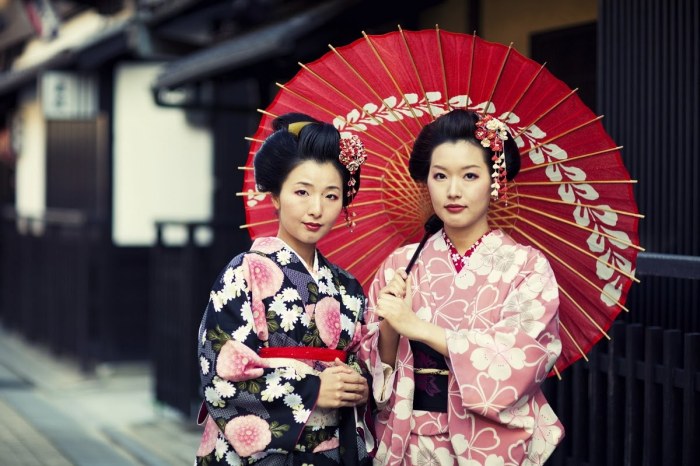
A Japanese plant aesthetic hallway, at its core, aims to evoke a sense of tranquility and harmony, mirroring the natural world. This serene atmosphere is heavily reliant on the skillful use of color and light, which play a crucial role in shaping the overall experience. Careful consideration of these elements creates a space that feels both intimate and expansive, inviting contemplation and appreciation of the flora.The subtle hues and natural tones that characterize the Japanese aesthetic contribute significantly to this calming effect.
By thoughtfully blending these elements with carefully selected lighting techniques, the space transcends mere practicality to become a sanctuary. This delicate balance between color and light elevates the hallway’s ambiance to a level of serene beauty.
Color Palette
Japanese aesthetics often favor a palette inspired by nature. This includes earthy tones like muted greens, soft browns, and warm creams. Subtle variations in these colors, from deep forest greens to light sage, create a layered and nuanced effect. The inclusion of accents in charcoal gray or deep indigo can add depth and sophistication. A restrained use of white or pale pastels can also be incorporated to enhance the feeling of spaciousness and clarity.
Lighting Techniques
Lighting in a Japanese plant aesthetic hallway should prioritize creating a soft and diffused ambiance, mimicking the gentle interplay of natural light and shadow. The goal is to highlight the plants without harsh glare, emphasizing their delicate forms and textures.
Ambient Lighting
Ambient lighting provides the foundational illumination for the space, ensuring comfortable visibility without overwhelming the scene. Warm-toned LED strip lights or low-voltage halogen fixtures can create a gentle glow that envelops the hallway. Using dimmable options allows for customization, allowing the intensity to be adjusted to suit the mood and the time of day. For instance, a lower setting might be ideal for late-evening relaxation, while a brighter setting could be more suitable for daytime activities.
Accent Lighting
Accent lighting plays a crucial role in highlighting specific plants and architectural details. Targeted spotlights or strategically placed LED spotlights can emphasize the unique characteristics of individual plants, drawing attention to their foliage and blossoms. The light should be directed in a way that enhances the plant’s beauty without obscuring other elements of the hallway.
Natural Light
Maximizing natural light is essential for a Japanese plant aesthetic. Large windows or skylights can allow sunlight to filter into the hallway, illuminating the plants and enhancing the sense of connection to the outdoors. Strategically placed sheer curtains or blinds can soften the harshness of direct sunlight, creating a diffused glow. Consider using sheer fabrics or bamboo shades to regulate the amount of light entering the space.
Soft and Diffused Lighting
Creating a soft and diffused lighting effect is key to achieving the serene atmosphere. Use lamps with frosted or textured shades to disperse light and minimize harsh shadows. Employ layered lighting, combining ambient, accent, and natural light sources, to create a warm and inviting atmosphere. This approach avoids harsh contrasts, maintaining a calm and soothing environment. This method of lighting also subtly enhances the overall aesthetic appeal, emphasizing the organic and natural elements of the space.
Incorporating Minimalist Elements
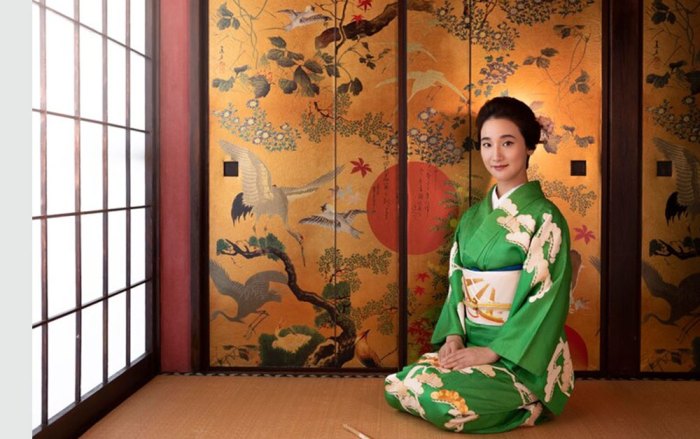
A Japanese plant aesthetic hallway prioritizes serenity and harmony, often achieved through minimalist design principles. The deliberate reduction of clutter and emphasis on essential elements create a tranquil and inviting space. This approach extends beyond mere aesthetics; it reflects a philosophy of appreciating the inherent beauty of simplicity and natural forms.Minimalism in this context isn’t about stark emptiness, but rather a conscious selection of elements that enhance the space’s overall harmony.
By thoughtfully curating the decor and furniture, the hallway can become a tranquil oasis, seamlessly blending the beauty of nature with the serenity of a minimalist design.
Role of Minimalism in Japanese Aesthetics
Japanese aesthetics deeply value simplicity and the appreciation of natural forms. Minimalism, in this context, isn’t just about reducing visual clutter; it’s about emphasizing the inherent beauty of the space itself and the objects within it. It allows the plants to take center stage, their natural beauty unburdened by excessive ornamentation. This approach emphasizes a balance between the artificial and the natural, creating a feeling of calm and tranquility.
Minimalist Furniture and Decor
Selecting furniture and decor that complements the plant aesthetic requires careful consideration. Natural materials like bamboo, wood, and stone are ideal choices. Look for furniture with clean lines and uncluttered forms. Consider low, sleek side tables or ottomans. Avoid overly ornate or fussy designs.
Wall-mounted shelves provide storage without taking up floor space and can display smaller plants or decorative items. A minimalist approach to lighting, such as soft, ambient lighting, can further enhance the tranquility. Examples include simple, geometric-shaped wall sconces or low-profile pendant lights. Avoid overly elaborate patterns or bold colors.
Clean Lines and Uncluttered Spaces
Clean lines and uncluttered spaces are crucial in minimalist design. This is particularly relevant in a hallway, where visual flow is critical. Strategic placement of plants is key, ensuring they are not clustered or positioned in a way that creates visual chaos. Furniture should be strategically placed to facilitate movement and create a sense of spaciousness. Avoid overcrowding the space with too many objects.
This is about creating a sense of openness and allowing the natural light and the plants to shine.
Minimalist Hallway Layout
A minimalist hallway layout should prioritize visual flow and the natural beauty of the plants. Imagine a hallway with a light-colored, smooth concrete floor. A long, low wooden bench is positioned near the wall, serving as a place to rest or admire the plants. A series of low, narrow wooden shelves are mounted on the wall, showcasing a collection of varying plants, creating a vertical rhythm and visual interest.
A few carefully chosen, low-profile hanging plants can soften the space, and ambient lighting with warm-toned bulbs can create a warm and welcoming atmosphere. The use of natural materials like wood and stone and the strategic placement of plants emphasize the space’s inherent beauty and tranquility.
Textural Harmony
Incorporating a sense of tactile richness is crucial for achieving a truly immersive Japanese plant aesthetic. This is where texture plays a pivotal role, acting as a subtle yet powerful element in drawing the eye and evoking a sense of tranquility. The interplay of smooth surfaces, rough textures, and natural materials contributes to the overall ambiance, transforming a simple hallway into a serene haven.
Material Texture Considerations
The interplay of contrasting textures adds depth and visual interest to the hallway. Different materials offer distinct tactile experiences, ranging from the smooth caress of polished wood to the rough, earthy feel of stone. By thoughtfully integrating these diverse textures, you create a dynamic and engaging space. A skilled designer strategically uses this contrast to create a sense of hierarchy and focal points within the hallway.
Examples of Complementary Textures
Smooth, polished wood, such as lacquered surfaces or bamboo floors, can be paired with the raw, natural texture of unpolished stone, perhaps in a carefully placed planter or a small accent wall. Woven materials, like tatami mats or natural fiber rugs, introduce a soft, organic element, bridging the gap between the hard surfaces. These textures, when thoughtfully combined, evoke the essence of a Japanese garden, harmonizing the natural and the refined.
Texture Integration for Visual Interest
Achieving visual interest through texture involves strategic placement. A focal point, such as a large, sculptural planter, can incorporate a combination of textures – perhaps smooth ceramic against a woven basket. Subtle variations in texture, like the difference between a smooth stone and a rough bark, also create a dynamic visual narrative. The strategic use of light and shadow can further accentuate these textural contrasts, highlighting the subtle variations and adding depth to the space.
Texture Table for Hallway Design
| Material | Texture | Suitability for Hallway | Considerations |
|---|---|---|---|
| Polished Wood (e.g., Lacquered wood, Bamboo) | Smooth, sleek | Excellent | Creates a sense of elegance and serenity. Use sparingly to avoid monotony. |
| Unpolished Stone (e.g., River stones, Basalt) | Rough, natural | Good | Adds a grounded, earthy element. Pair with smooth materials for contrast. |
| Woven Materials (e.g., Rattan, Jute) | Soft, organic | Excellent | Introduces warmth and softness. Ideal for rugs, baskets, or wall hangings. |
| Ceramic/Pottery | Smooth, varied (depending on design) | Good | Adds visual interest through different forms and glazes. Consider contrasting textures. |
| Natural Fiber (e.g., Hemp, Sisal) | Textured, organic | Good | Creates a natural, earthy feel. Use in rugs or wall accents. |
Symbolic Representation
Japanese aesthetics, deeply rooted in tradition, often incorporate symbolic elements into design. This intentional use of symbolism imbues spaces with meaning, evoking a sense of harmony and tranquility. A hallway, carefully curated with symbolic plants and colors, can create a unique and evocative atmosphere, drawing inspiration from centuries of cultural practice.This symbolic language, interwoven into the very fabric of Japanese design, offers a powerful way to communicate deeper ideas and feelings through visual cues.
The selection of plants, colors, and materials isn’t merely decorative; it’s a dialogue with tradition, conveying respect for the past and a profound connection to nature.
Symbolic Meaning of Plants
Plants play a crucial role in Japanese aesthetics, each species carrying its own symbolic weight. Bamboo, for instance, represents strength, resilience, and flexibility. Its upright posture and ability to adapt to various environments make it a potent symbol of perseverance. Similarly, the evergreen pine signifies longevity, strength, and resilience against the forces of nature. Cherry blossoms, ephemeral in their beauty, represent fleeting moments of joy and the impermanence of life.
Symbolic Colors
Colors in Japanese design carry specific meanings, reflecting the nuances of the natural world. Green, a dominant color in nature, signifies growth, renewal, and harmony. White symbolizes purity, serenity, and peace, often associated with the concept of “wabi-sabi,” a Japanese aesthetic that appreciates the beauty of imperfection. Red, while less common in minimalist plant aesthetics, is sometimes used to represent passion or good fortune.
A palette thoughtfully incorporating these colors can further enhance the hallway’s overall impact.
Symbolic Materials
Natural materials, such as wood, stone, and bamboo, are highly valued in Japanese aesthetics. Wood, with its warmth and organic texture, embodies nature’s essence. Stone, often used in minimalist designs, symbolizes strength and stability, echoing the enduring qualities of the natural world. The use of natural materials, in combination with the chosen plants and colors, brings the hallway’s design into alignment with traditional Japanese design principles.
Examples of Symbolic Incorporation
To incorporate symbolic elements effectively, consider a minimalist approach. A few strategically placed bamboo stalks, with their graceful curves, can represent strength and resilience. A small, potted bonsai pine, representing longevity and strength, can be featured in a corner. A delicate arrangement of cherry blossoms, carefully curated, can evoke a sense of fleeting beauty and impermanence. These carefully chosen elements, combined with appropriate lighting and color palettes, create a subtle but profound symbolic dialogue.
Japanese Symbols and Meanings
- Bamboo: Strength, resilience, flexibility
- Pine: Longevity, strength, resilience against nature
- Cherry Blossoms: Fleeting beauty, impermanence, joy
- Green: Growth, renewal, harmony
- White: Purity, serenity, peace, wabi-sabi
- Wood: Nature’s essence, warmth, organic texture
- Stone: Strength, stability, enduring qualities of nature
This list provides a concise overview of key symbols often used in Japanese aesthetics. Their careful integration can transform a hallway into a space that resonates with profound cultural meaning.
Creating a Sense of Tranquility
A Japanese plant aesthetic hallway prioritizes a sense of calm and serenity. This tranquility isn’t just a feeling; it’s a carefully crafted design element that draws on traditional Japanese principles of harmony with nature and mindfulness. Creating this atmosphere requires thoughtful consideration of color palettes, sounds, and movements, all contributing to a deeply restorative environment.Achieving a tranquil hallway involves a multifaceted approach, blending visual serenity with auditory and even olfactory elements.
This approach acknowledges the interconnectedness of the senses and their impact on emotional well-being. The careful integration of these factors ensures the hallway not only serves as a passage but as a space for introspection and peace.
Calming Color Palettes
Harmonious color palettes are crucial in establishing a tranquil atmosphere. Muted tones, often inspired by nature, such as soft greens, blues, and earthy browns, are favored. These hues evoke a sense of calm and connection to the natural world. Avoid overly vibrant or jarring colors, as these can disrupt the serene ambiance. For example, a hallway featuring a pale sage green wall, accented with light gray and subtle hints of beige, can evoke a profound sense of calm.
Soft Sounds and Gentle Movements
Incorporating soft sounds and gentle movements enhances the sense of tranquility. Subtle background music, like nature sounds or calm instrumental pieces, can create a soothing atmosphere. Avoid loud or disruptive sounds. Soft, flowing curtains or subtle lighting changes can also contribute to a calming effect. For instance, a hallway with a gentle stream of water running through a concealed feature or a softly ticking clock can evoke a sense of serenity.
Natural Sounds and Elements
The integration of natural sounds and elements is a key element in achieving tranquility. Incorporating the sounds of nature, such as gentle breezes or flowing water, can enhance the peaceful ambiance. Real or simulated nature sounds, played softly through discreet speakers, can have a profound effect. Additionally, incorporating natural elements, such as bamboo accents, natural wood flooring, and strategically placed plants, strengthens the connection with the natural world, fostering a feeling of peace and serenity.
This creates a microcosm of nature within the hallway, further reinforcing the tranquil ambiance.
Aromatherapy for Relaxation
Aromatherapy plays a significant role in creating a relaxing ambiance. Subtle scents, such as lavender, chamomile, or sandalwood, can promote relaxation and reduce stress. Essential oils, diffused using a discreet diffuser, can be strategically positioned to enhance the tranquility of the space. These scents should be carefully selected to complement the overall design and not overpower the environment.
For example, a delicate lavender scent diffused throughout a hallway with calming colors can create a profoundly relaxing experience, encouraging a sense of peace and well-being.
Visual Storytelling
Crafting a Japanese plant aesthetic hallway transcends mere decoration; it’s about weaving a narrative that evokes tranquility and connection with nature. This visual storytelling approach employs careful selection and placement of plants and elements to craft a compelling journey for the viewer. The hallway becomes a living gallery, where each carefully chosen piece contributes to a cohesive and immersive experience.A successful Japanese plant aesthetic hallway narrative relies on visual cues that guide the viewer through a carefully constructed story.
The use of various plant types, sizes, and textures, combined with thoughtfully placed elements, becomes a dynamic interplay of form and function, reflecting a deep appreciation for nature’s artistry. The arrangement of these elements is crucial in establishing a sense of progression and meaning, rather than a random collection.
Arranging Plants and Elements for a Narrative
The arrangement of plants plays a critical role in establishing the visual narrative. A gradient of plant heights, from low-lying ground covers to taller specimens, creates a sense of depth and dimension. Positioning plants in staggered rows or clusters, rather than a uniform arrangement, adds an organic feel and emphasizes the natural world’s inherent variability. The interplay of light and shadow, created by strategically placing plants and architectural features, adds further dimension to the story.
Using Different Plants and Placement to Tell a Story
The choice of plant species is fundamental to the story. Bamboo, with its elegant, flowing forms, evokes a sense of serenity and grace. Ferns, with their delicate fronds, suggest a sense of mystery and subtle elegance. Succulents, with their resilience and unique shapes, convey a sense of strength and endurance. The placement of each plant within the hallway space is equally important.
Positioning them in a manner that mirrors natural settings – like a woodland path or a serene garden – can further enhance the narrative.
Choosing Meaningful Elements
Selecting elements that complement the plant arrangement is key. Hand-crafted ceramic pots, in muted tones, can reinforce the minimalist aesthetic. Stone elements, such as small rocks or water features, can evoke a sense of tranquility and connection to nature’s raw beauty. Japanese-inspired calligraphy scrolls, when strategically placed, can add a touch of artistry and cultural depth to the story.
Each element should have a meaningful connection to the overarching narrative.
Table: Sequence of Elements Creating a Story
| Element Sequence | Description | Visual Impact | |
|---|---|---|---|
| 1 | Low-lying, ground-covering plants (e.g., ferns, creeping vines) | Establish a sense of grounding and a natural border. | Soft, organic, inviting. |
| 2 | Medium-height plants (e.g., bamboo, flowering plants) | Introduce a sense of verticality and visual interest. | More defined forms, movement and color. |
| 3 | Tallest plants (e.g., trees, large-leafed plants) | Create a sense of enclosure and a natural canopy. | Adds grandeur, depth, and seclusion. |
| 4 | Stone or rock elements | Ground the plants and provide a sense of stability. | Adds textures and a sense of grounding. |
| 5 | Ceramic pots | Complement the plants with a muted aesthetic. | Adds artistry, color, and unity. |
| 6 | Japanese calligraphy scrolls (optional) | Add a touch of cultural depth and artistry. | Adds sophistication and a meaningful touch. |
Closure

Ultimately, this Japanese plant aesthetic hallway transcends a mere design; it becomes a personal sanctuary. By carefully considering elements like color palettes, lighting, and textures, a pathway is created that fosters tranquility and connects us to the beauty of nature. The symbolic meaning of plants and materials further enrich the experience, weaving a story into the space. This design provides a practical and engaging framework for creating a tranquil oasis within your home.
